Six arrested as TikTok shop influencers targeted in counterfeit goods crackdown
The Police Intellectual Property Crime Unit (PIPCU) at the City of London Police have carried out a major operation targeting a growing trend of TikTok shop accounts using influencers to push counterfeit goods to thousands of viewers.
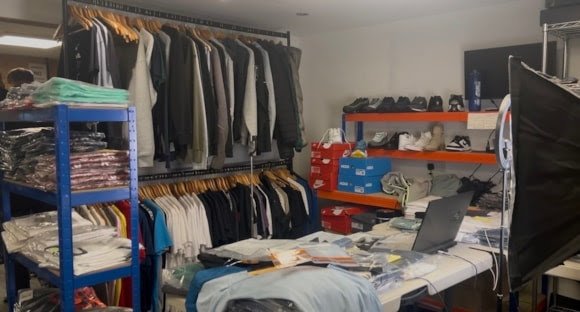
These accounts frequently livestream from warehouse-style setups, showcasing large amounts of stock while claiming the items are genuine in response to viewer comments. The content is designed to drive rapid sales directly through the app.
As part of ongoing efforts to disrupt the counterfeit goods trade, PIPCU officers worked closely with industry partners to execute warrants in Rotherham. As officers entered a warehouse, they found a suspect livestreaming on TikTok selling counterfeit goods. The livestream was stopped and officers carried out a warrant.
Six people were arrested on suspicion of distributing goods bearing false trademark, under the Trademarks Act 1994 and nearly £1.5 million worth of counterfeit clothing and trainers was seized.
During the warrants:
- The total value of items seized amounted to £ 1,162,036
- 26,849 counterfeit items were seized from a single warehouse
- Officers uncovered £1,000,000 worth of clothing and trainers believed to be stolen
- £988,700 worth of branded counterfeit trainers were found
- £115,000 worth of counterfeit socks were seized
- Items seized by officers filled up four 18 tonne lorries
- The investigation uncovered a commission scheme that rewarded influencers with higher earnings for every item sold during their livestreams
Detective Sergeant Jamie Kirk, from the Police Intellectual Property Crime Unit (PIPCU) at the City of London Police, said: “This investigation shows how the sale of counterfeit goods has evolved, moving from traditional market stalls to modern apps and online marketplaces. In this case, influencers were used to promote and sell counterfeit products to large audiences.
“This case should send a clear message to anybody selling counterfeit goods online: it is illegal and we will take action.”
Counterfeit clothing is unlikely to meet any health and safety regulations, both in the conditions faced by the workers who produce these goods and the quality of the products themselves.
Consumers can be left with items that wear out quickly and are significantly poorer in quality than genuine products. Many counterfeit items also fail to meet safety standards and may be flammable or contain harmful chemicals.
All six people arrested have since been released under investigation.
https://youtu.be/poxxiGuexEE


latest video


news via inbox
Nulla turp dis cursus. Integer liberos euismod pretium faucibua