Romance fraudster sentenced after coercing gay men on dating apps to send more than £28,000
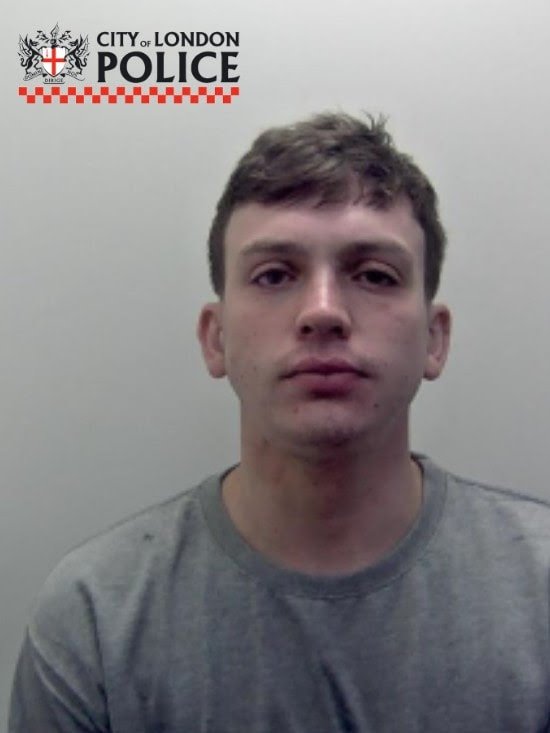
An offender who manipulated vulnerable men through dating apps into believing they were in romantic relationships has been sentenced to three years in prison.
Thomas Godden, 26, of no fixed abode, defrauded three men out of a total of £28,488 between July 2022 and November 2024 by exploiting their trust, goodwill and emotional vulnerability. One of his victims lost more than £26,000.
An investigation by the City of London Police found that Godden met his victims on the dating platforms Tinder and Bumble, presenting himself as a gay man seeking a genuine relationship. In reality, Godden was a heterosexual man already in a relationship. Two of the victims were vulnerable and on the autism spectrum.
Detective Constable Melissa Morgan, from the Fraud Operations team at the City of London Police, said: “Godden deliberately targeted men who were seeking companionship and a genuine emotional connection. He abused their trust, manipulated their vulnerabilities and caused significant financial and emotional harm.
“This was a calculated pattern of offending, not a misunderstanding or a civil dispute, but a clear case of fraud by false representation.”
Bumble spokesperson said: “We are deeply concerned about anyone taking advantage of our community, and are saddened to hear of these experiences. The safety of our members is our top priority and fraudulent activity is not tolerated on Bumble.
Our teams work to investigate suspicious profiles and take action when our community guidelines are violated, but it’s helpful to know the signs of a romance scammer so that you can protect yourself too. Red flags include any request for money, pressure to move quickly, avoiding in-person or video interactions, or pushing to take conversations off the app. We encourage members to keep chats on Bumble, move at their own pace, and trust their instincts by blocking and reporting anyone who makes them uncomfortable.”
After quickly forming what the victims believed to be romantic relationships, Godden convinced them to send him money for day-to-day living costs, travel and other expenses, repeatedly assuring them that the funds would be repaid. In reality, he had no intention of doing so and used the money to fund his own lifestyle.
He defrauded his victims of the following:
- Victim A was defrauded out of £1,869.90 between 19 July to 25 August 2022
- Victim B was defrauded out of £135.50 between 15 November to 22 December 2022
- Victim C was defrauded out of £26,483.06 between 27 September 2022 to 27 November 2024 and was left in significant debt as a result
When challenged by the victims about repaying the money, Godden became hostile, made excuses, or threatened to cut off contact. In some instances, he used emotional blackmail, including threats of self-harm, to maintain control and continue receiving funds.
The case came to light after reports were made to Action Fraud (now replaced by the Report Fraud service) by victims who had become concerned about their treatment and financial losses. These reports were subsequently assessed and referred to the Fraud Operations team at the City of London Police, the national lead force for fraud, who launched an investigation into Godden’s offending.
Evidence also showed that at the time he was claiming to be in loving same-sex relationships with his victims, Godden was in a heterosexual relationship. Digital evidence recovered during the investigation revealed internet searches and messages confirming that he was using dating apps solely to obtain money from others. Godden was also found to search online for questions like “Can you go to jail for romance scamming?” and “Can you go the police if someone owes you money?”.
Two of the victims were reimbursed by their banks after reporting the fraud. One victim, however, received no repayment and was left with substantial debts and long-term financial consequences.
Godden pleaded guilty to three charges of fraud by false representation in December 2025. He was sentenced to three years at Canterbury Crown Court on Tuesday 17 February 2026.
How to protect yourself from romance fraud
- Never send money: If you’re in a relationship with someone you’ve only met online, any requests for money should ring an alarm bell. However sad or urgent their story is, never send money (that includes vouchers, cryptocurrency or money for investments). Report anyone who asks for money to the dating service immediately.
- Get to know the person, not the profile: Treat people as you would if meeting in person, by asking questions and taking your time. Check the person online using Google image search or TinEye to see if their profile pictures can be found elsewhere online. Be cautious about how much information you share and keep your social media accounts private and secure.
- Talk to friends and family: Sometimes a second opinion can really help if you are uncertain about something, such as being asked for money by someone you’re in an online relationship with. Be wary if you meet someone online who asks you not to tell anyone about them.
The Online Dating & Discovery Association offers further advice on how to ‘Date Safe’.
What to do if you have already been a victim of romance fraud
- If you have made a payment: Inform your bank as soon as possible, they can help you prevent any further losses. Monitor your bank statements regularly for any unusual activity.
- Identity theft: If you have shared personal or financial information, and suspect your identity may have been stolen, you can check your credit file quickly and easily online. You should do this every few months anyway, using a reputable service provider and follow up on any unexpected or suspicious results. You can also sign up for Cifas services which can help to protect you against fraud.
- You could be targeted again: Fraudsters sometimes re-establish contact with previous victims claiming that they can help them recover lost money. Hang up on any callers that claim they can get your money back for you.
How to report romance fraud
If you think you have been a victim of romance fraud, remember that you are not to blame, do not feel ashamed or embarrassed – you are not alone, help is out there. Please report it to Report Fraud on 0300 123 2040 or via https://www.reportfraud.
If you are in Scotland, please report to Police Scotland directly by calling 101.



latest video

news via inbox
Nulla turp dis cursus. Integer liberos euismod pretium faucibua