Updated taxi licensing policy to make transport more inclusive
Plans to improve the accessibility of taxis and private hire vehicles for passengers with additional needs across North Yorkshire are set to be considered by councillors.
North Yorkshire Council’s executive members will be asked to approve an updated Hackney Carriage and Private Hire Licensing Policy, and a new Inclusive Service Plan (ISP), on Tuesday, March 17.
The aim of the new policy is to address the shortage of licensed wheelchair accessible vehicles (WAVs) across the county. The council currently licenses 60 wheelchair accessible hackney carriage vehicles, which represents one for every 10,250 people.
Although WAV provision is typically lower in rural parts of the country than in towns and cities, the national average across rural areas is one WAV for every 8,150 people. The best performing rural authorities provide one for every 2,000 to 3,000 people.
Rather than imposing a mandatory WAV requirement on licensed vehicles, the council has previously introduced incentives by waiving the licence fee and by relaxing the age limits. However, the total remains low and is unlikely to change without further intervention.
If approved, all new hackney carriage vehicle licence applications would need to be for a WAV, a zero-emission vehicle (ZEV), or a hybrid electric vehicle (HEV). Existing licensed hackney carriage vehicles would retain ‘grandfather rights’ until they are no longer fit for purpose and would not need to be upgraded to meet the new requirements.
North Yorkshire Council’s executive member for licensing, Cllr Richard Foster, said: “We are committed to promoting equality, diversity and inclusion, so the aim of the policy is to improve the access and availability of licensed vehicles across the county.
“Hackney carriage and private hire services play an important role in transporting members of the public safely, and our plans would ensure that there is a mixed fleet, which is in line with the Government’s guidance, and will help to reduce emissions and improve air quality.
“The aim of the new policy is to increase the number of WAVs on our roads whilst balancing its impact on the trade. We have consulted with the trade, wheelchair users and groups to help shape the updated policy.”
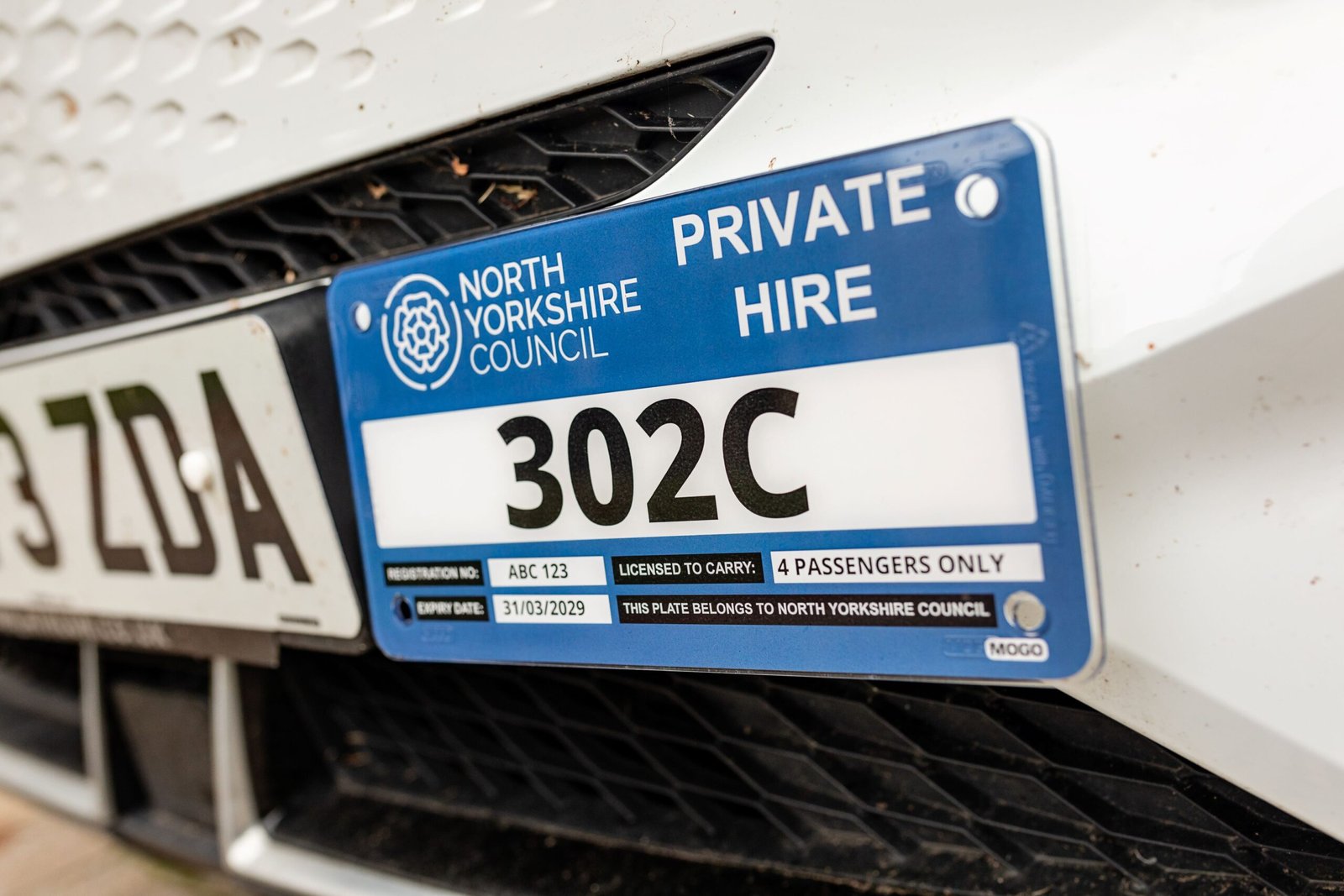
A hackney carriage vehicle can be hailed by passengers on the roadside, stand on a rank, or be pre-booked. In contrast, private hire vehicles can only operate through pre-booking.
Under new plans, private hire operators would need to identify a passenger’s accessibility needs prior to taking a booking, to ensure that an appropriate vehicle is provided.
The proposals to increase the provision of WAVs have resulted in significant feedback from the trade, wheelchair users and groups that represent them.
There was agreement that it was important or very important that everyone has equal access to taxis and that there are enough WAVs to meet demand.
Councillors will also be asked to adopt a new ISP focusing on the needs of people whose access requirements are apparent when using public transport as well as the needs of people with less-visible disabilities, including autistic people or those with mental illness.
The ISP aims to improve the access and availability of licensed vehicles, address any reports of non-compliance, and educate drivers and operators of the needs and legal rights of disabled passengers.
If introduced, a review of the policy would be carried out after a year to decide whether any adjustments are needed, with further research and consultation.
The report which will be presented to members of the council’s executive on Tuesday next week can be viewed or downloaded as a PDF here (item 7) – Review of the Hackney Carriage and Private Hire Licensing Policy


latest video

news via inbox
Nulla turp dis cursus. Integer liberos euismod pretium faucibua