Caroline Grills Big Tech over Protections for Children
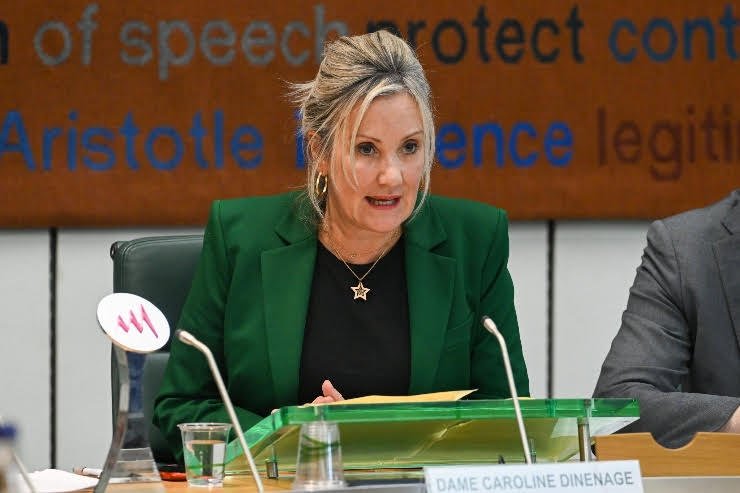
Caroline Dinenage, Member of Parliament for Gosport, has questioned social media giants Meta and Tik Tok over whether they are doing enough to keep young children off their platforms.
The Culture, Media, and Sport Parliamentary Select Committee, Chaired by Caroline, is holding an inquiry into how children’s TV and video content is provided and whether kids have access to high-quality British-made programming.
A groundbreaking legal case from the USA in March found that Meta had intentionally built addictive features into its apps and caused mental health harms to a user. Tik Tok had reached a settlement out of court hours before jury election was due to begin in the case.
Caroline asked Rebecca Stimson, Meta’s UK Director of Public Policy, why in documents used in the case Meta staff had called Instagram “a drug”.
Calls are growing for increased restrictions on access to social media for children, with a vote in Parliament today on restricting social media to over-16s after an overwhelming defeat for the Government in the House of Lords over a ban.
Caroline also asked Giles Derrington, Senior Government Relations Manager of TikTok, why it was that TikTok was uniquely blamed for damaging crazes such as school wars, the skull-breaker challenge, and the blackout challenge.
Both witnesses were grilled over whether there were children under-13 using their platforms, despite the platforms operating an “over-13s only” policy, and the failure of platform’s to enforce bans. TikTok said that it did not recognise Internet Matters figures that suggested 32% 9-12 year olds still use TikTok. Meta said “if we can’t better improve the accuracy of finding out how old people are, it’s difficult to make [online safety laws] work.”
The inquiry comes at a pivotal time for children’s video content. Whilst almost 90% children (3-17) watch video content on YouTube and a growing proportion are using TikTok (44%) and Instagram (26%), the proportion of children who are watching broadcast television is falling, alongside the amount of time which children are spending on broadcaster TV.
The changing ways in which audience consume TV and video, has made it more challenging for original, high-quality, British made content to be found by children and young people.
Speaking about the session, Caroline said: “We all want to be sure that what our children are watching is good for them, whether it be educational or entertaining. With increasing evidence that social media is not a healthy environment for children, we want to understand possible solutions to diverting kids’ attention towards content that is good for them.
“We know that children aren’t consuming video content in the ways that we did when we were younger, but they still deserve the same quality content that we got.”



latest video


news via inbox
Nulla turp dis cursus. Integer liberos euismod pretium faucibua