
Planting progresses at North Dorset waste site to boost biodiversity and support nature recovery
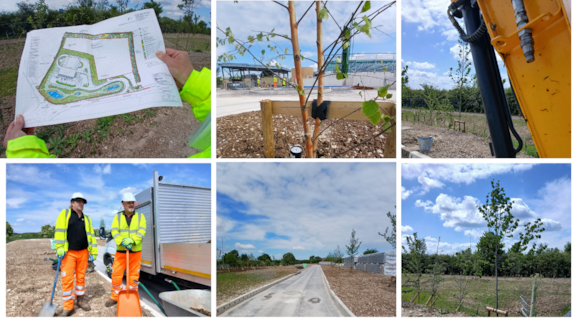
Thousands of trees and hedgerows planted on a former field in Blandford are already taking root, creating new habitats and supporting wildlife as work continues to construct a modern waste management facility for North Dorset.
Around 45–50 per cent of the structure planting is now complete, with native trees, hedgerows and grassland already establishing across the site. A second phase of planting will follow ahead of the facility opening in spring 2027.
The planting forms part of a wider commitment by Dorset Council to ensure the site delivers strong environmental benefits alongside essential infrastructure.
Native woodland has been designed to screen the new drive‑through household recycling centre and Waste Management Centre, while also strengthening the area’s ecological network. Dorset Council has also committed to managing the new and existing woodland for at least 25 years.
Construction is well advanced at the new Blandford Waste Management Centre, located just off the A350. Once open, it will replace the existing household recycling site and serve residents from Blandford and the wider Dorset area.
The project is being delivered through a partnership between Heidelberg Materials UK and Dorset Council.
Cllr Jon Andrews, Dorset Council’s Cabinet Member for Regeneration, Infrastructure and Growth said: “This project shows how Dorset can deliver the facilities people rely on while also making a real contribution to nature recovery.
“The scale of planting already completed is impressive and will create a greener, more resilient landscape that benefits wildlife, visitors and the wider area for years to come.”
Delivering Biodiversity Net Gain
The site is being transformed from a single‑crop agricultural field into a diverse landscape of woodland, grassland and wetland. This will deliver a 33 per cent Biodiversity Net Gain, significantly exceeding the UK Government’s targets.
A wide range of habitats is being created to support plants and animals, including:
- Native woodland and understorey planting
- Wildflower meadows and species‑rich grassland
- Wetlands, ponds and swales
- New hedgerows designed as wildlife corridors
Key features include ponds with gently sloping edges for safe wildlife access, double hedgerows to support bats and small mammals, and log piles created from tree cuttings to provide shelter for reptiles, amphibians and hedgehogs. Bat, bird and dormouse boxes are also being installed, alongside targeted measures to support species of nature conservation concern such as the White‑letter hairstreak butterfly and Barberry carpet moth.
Sustainable design for the long term
A large sustainable drainage system collects rainwater from roofs and hard surfaces, filtering it naturally through ponds and swales before releasing it at a controlled rate. This approach improves water quality, reduces flood risk and creates additional wetland habitat.
All habitats will be protected and enhanced through a long‑term Landscape and Ecological Management Plan, helping secure a greener future for Dorset and supporting the council’s priority to respond to the climate and nature crisis.



latest video

news via inbox
Nulla turp dis cursus. Integer liberos euismod pretium faucibua